The Carbon Challenge
for Iron & Steel
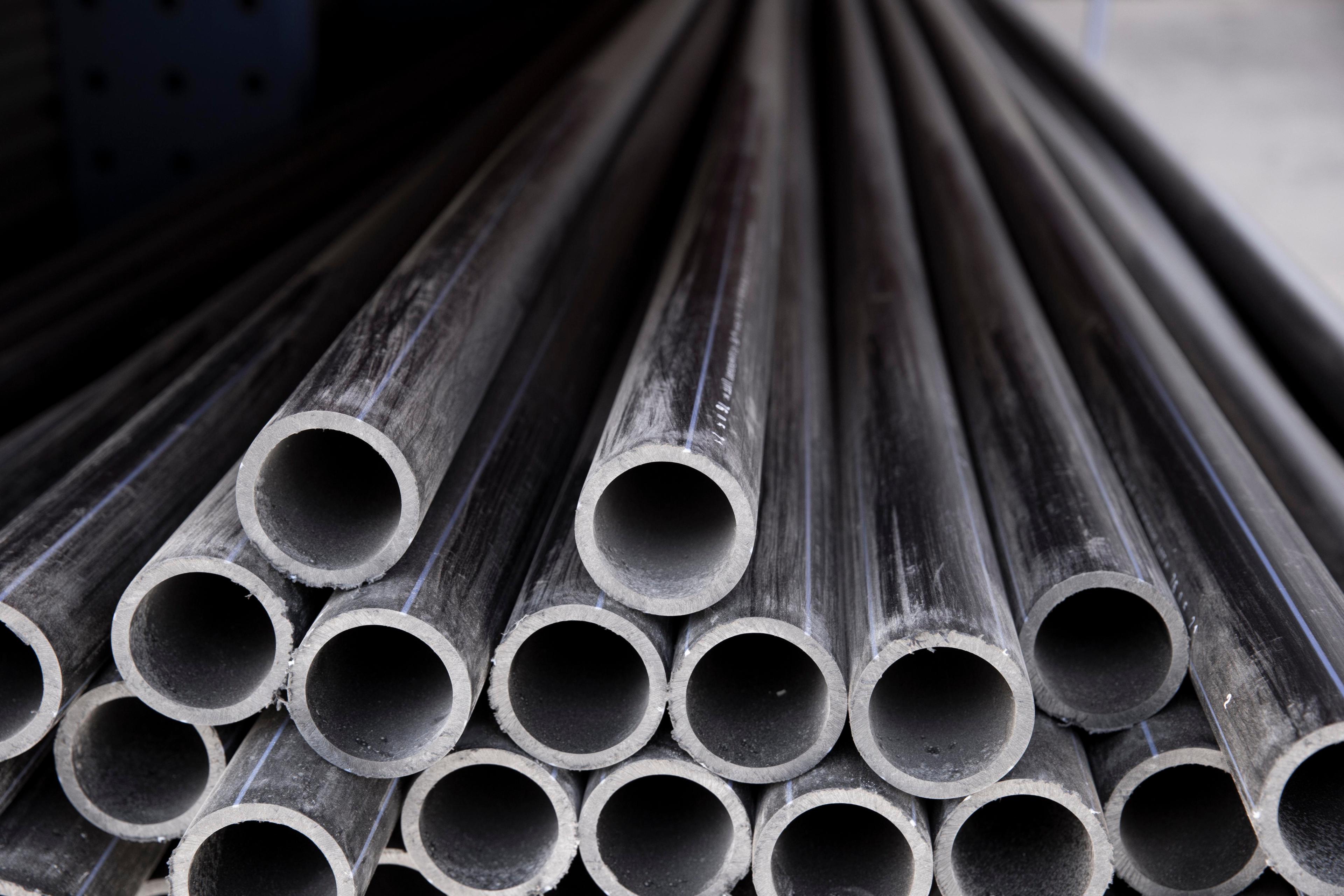
Steel production generates a large amount of CO₂ from furnaces and reduction steps. Cutting these emissions requires advanced solutions like hydrogen-based DRI and CCS. The industry also relies heavily on fossil fuels and grid power, making it essential to switch to renewable electricity and improve plant energy efficiency.
Steel production generates a large amount of CO₂ from furnaces and reduction steps. Cutting these emissions requires advanced solutions like hydrogen-based DRI and CCS. The industry also relies heavily on fossil fuels and grid power, making it essential to switch to renewable electricity and improve plant energy efficiency.
From Carbon to Competitiveness.
Backed by Real Results.
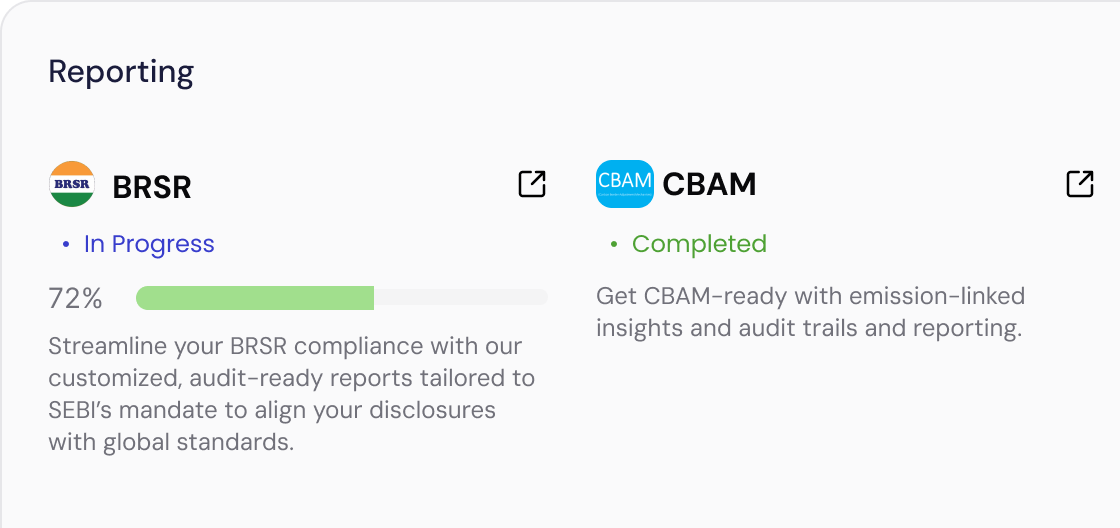
Fitsol’s decarbonisation platform enables measurable gains across steel operations—from emissions cuts to efficiency and scrap recovery.
Cut Emissions at the Source
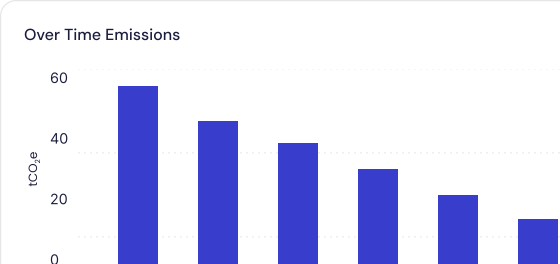
Achieve 20–25% reduction in Scope 1 and 2 emissions within 36 months by targeting key process and energy interventions.
Drive Significant Cost Efficiencies
Unlock €12–15 million in annual savings through improved energy use, heat recovery, and system upgrades.
Maximize Material Value
Boost scrap utilization by 15–20%, enhancing circularity and reducing raw material dependency.
Ready to
decarbonize?
Start now.
How We Help You Decarbonise
How We Help You
Decarbonise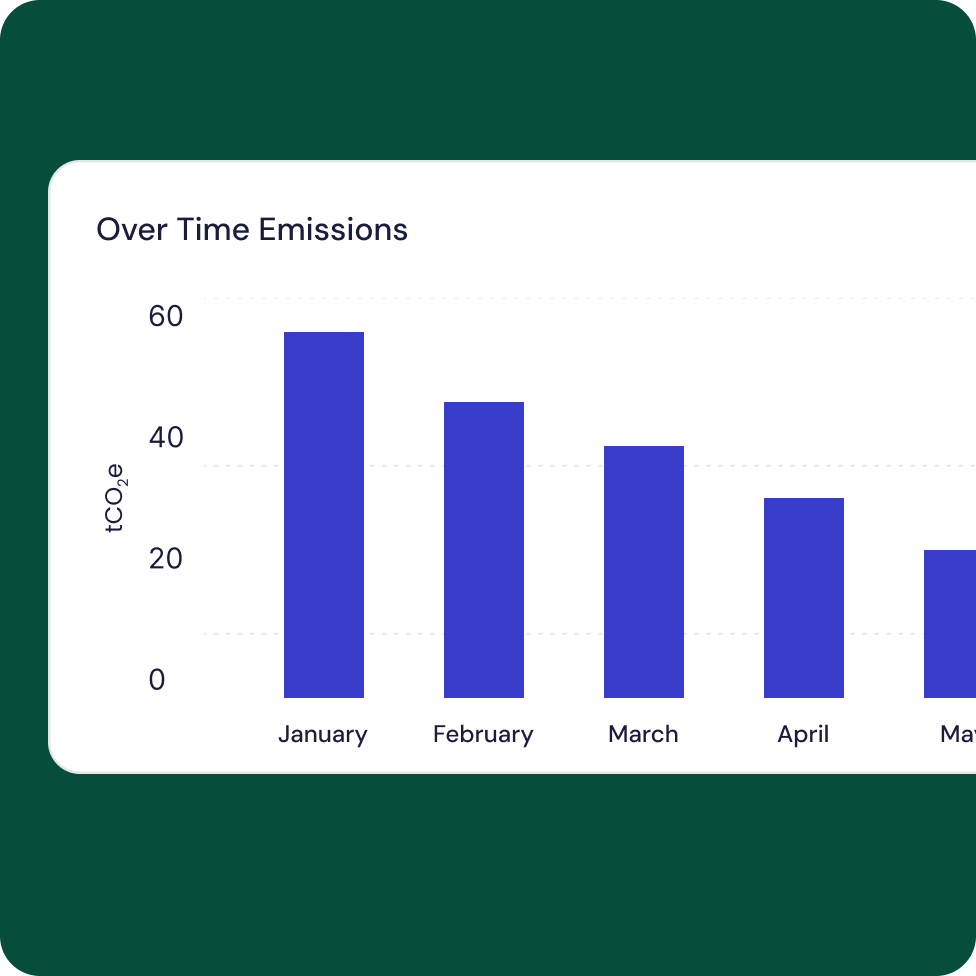
Every step is backed by Fitsol’s deep industry experience and carbon intelligence systems. Let’s build a roadmap for your low-carbon steel future.
Success Story
Global Steel Manufacturer
The Challenge.
The company aimed to reduce operational emissions while maintaining cost efficiency and improving material circularity across its European plants.
What We Did.
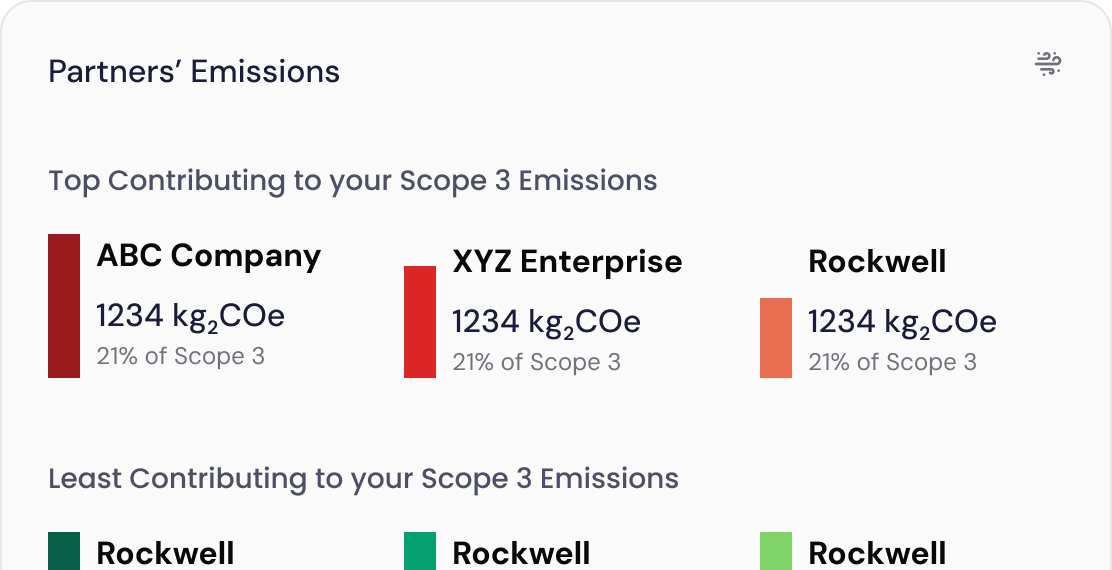
Fitsol implemented a comprehensive decarbonization strategy focused on process optimization, energy efficiency, and scrap utilization. This included real-time emissions tracking, furnace tuning, and maximizing recycled input use.
The Results.
- 22% reduction in Scope 1 & 2 emissions
- €13 million saved annually in operational costs
- 18% improvement in scrap utilization
The Challenge.
The company aimed to reduce operational emissions while maintaining cost efficiency and improving material circularity across its European plants.
What We Did.
Fitsol implemented a comprehensive decarbonization strategy focused on process optimization, energy efficiency, and scrap utilization. This included real-time emissions tracking, furnace tuning, and maximizing recycled input use.
The Results.
- 22% reduction in Scope 1 & 2 emissions
- €13 million saved annually in operational costs
- 18% improvement in scrap utilization